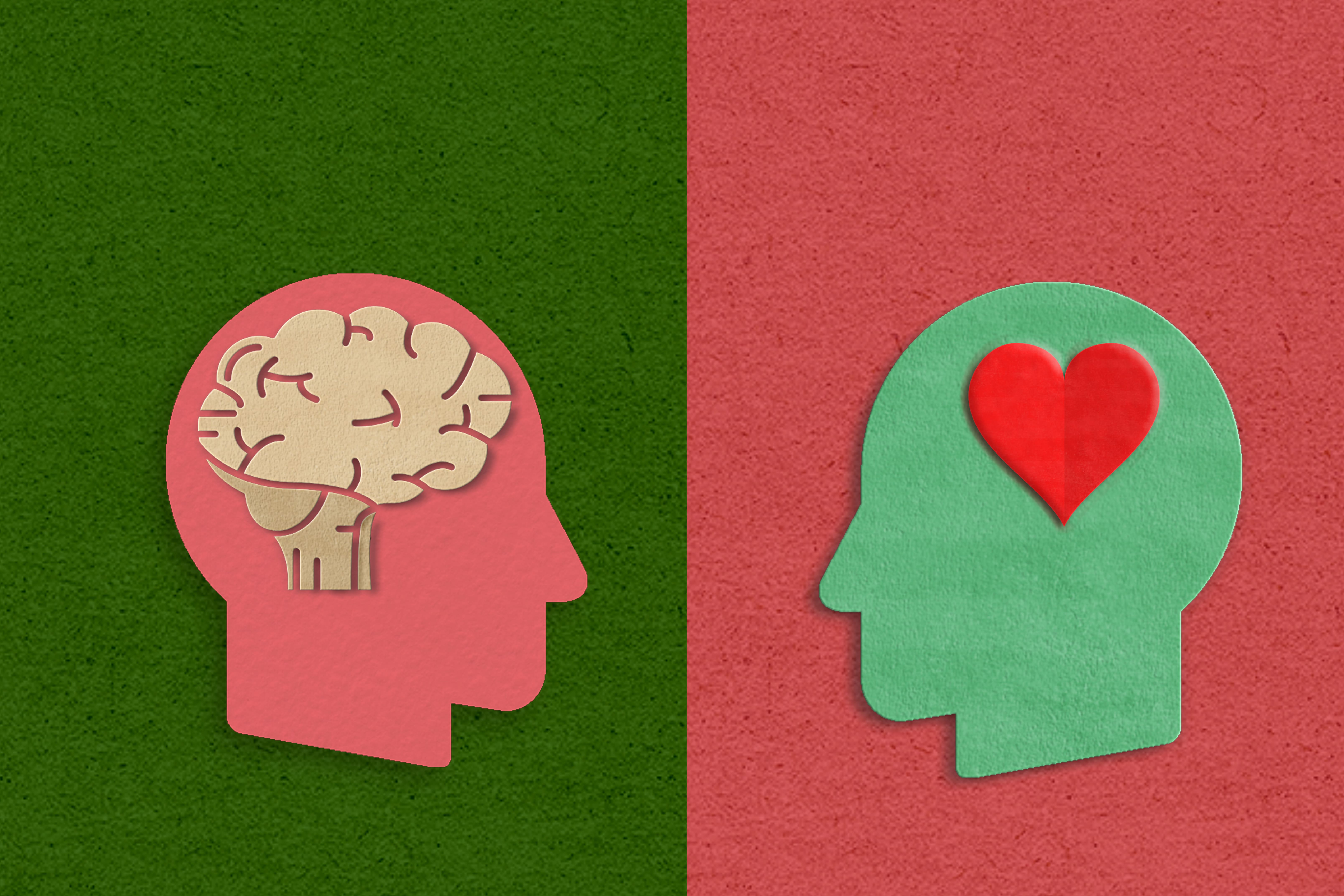
Corporate America's retreat from diversity, equity, and inclusion (DEI) programs threatens to unravel years of progress in improving workplace wellbeing for all. Companies who formally championed DEI practices have taken a different approach, and organizations everywhere are questioning their value, and at what cost.
Decisions to keep or scrap dedicated programs raises important questions that demand thoughtful consideration. While some of the most profitable companies have noticed a 22% decrease in using inclusive language with investors in recent years, others have also noted that scaling back on DEI has resulted in a 32% drop in employee satisfaction, engagement, and retention.
The ripple effects of these decisions touch every corner of workplace wellbeing. Organizations dismantling their diversity programs are watching as turnover rates climb, brand credibility tanks, and employee mental health plummets. What started as pressure to scale back "non-essential" initiatives now reveals a critical truth: DEI and organizational success share an unbreakable bond. In fact, it's the very concept of DEI that powers WellRight's focus on segmentation and thoughtful targeting for its clients. Messaging catered to a specific diverse group means more than blanketed approaches that don't address unique needs.
Let's take a closer look at diversity, equity, and inclusion remain vital for employee wellbeing. We’ll uncover the proven benefits of DEI programs on workplace culture and mental health, as well as practical strategies for safeguarding these essential initiatives against all odds.
Wellbeing for All: Benefits of Diverse Programming
Companies have been trying to measure the costs of maintaining DEI initiatives as healthcare and retention costs surge. Without sufficient goal-tracking, executive buy-in, and ongoing momentum, DEI programs are often snuffed out before making any real headway, falling prey to preliminary budget cuts and gradual disintegration.
Professor Sekou Bermiss from the University of North Carolina spots the heart of the problem. "[DEI is] being pitched as 'Diversity is always going to help the bottom line,'" he explains. "But no one who studies this would ever say that." In other words, companies focused solely on DEI's financial returns miss its deeper value, such as long-term effects on employee happiness, safe spaces at work, and added incentive for prospective employees to join in the first place.
What's more? DEI programs don’t need excessive funding or media attention to leave an impact. Companies that maintain strong DEI programs see their wellness initiatives perform 43% better than those without diversity support, not only bolstering their people, but also their business.
The Psychological Safety Connection
DEI serves as an organization's backbone, holding everyone together. Successful programs hinge upon inclusion and opportunity, which are often overlooked as a form of inclusion. DEI goes beyond simply addressing demographic differences; it also includes groups of individuals with shared values, interests, and backgrounds.
Even without immediate financial gains, strong DEI policies boost job satisfaction by nearly 40%. Workers surrounded by diversity report feeling safer speaking up and staying engaged longer, minimizing turnover and building long-term trust that can’t be bought or sold.
Additionally, research from McKinsey shows that companies in the top quartile for diversity are 25% more likely to have above-average profitability, a number that has steadily increased over the past 10 years. Likewise, companies that lag behind in gender and ethnic diversity are 27% more likely to underperform on profitability, illustrating a correlation between prioritizing inclusion and financial and competitive longevity.
3 Ways Wellness Programs Keep DEI Momentum Alive
The state of work changes every day, but even when tides change, the decision to keep workplaces diverse, inclusive, and equitable is strategically paramount.
By ingraining DEI into company culture, organizations not only demonstrate their commitment to their people, but they also come out on top. And when DEI initiatives are seamlessly woven into daily tasks and health-centric activities, organizations create environments where workforces thrive through holistic wellbeing.
Let’s take a look at three proven methods for keeping DEI alive through employee-centric wellness programs.
Health Resources Personalized to Each Participant
As workforces become larger and more diverse, they need flexible benefits that can cater to their real life circumstances, not one-size-fits-all benefits that don’t match their needs.
We already know health plans must be able to meet the needs of members where they are, which includes accounting for social determinants of health (SDOH). And when they can deliver customized content in a way that is centralized and easy to access, participants feel like their benefits are a reflection of them, boosting engagement. Take Costco as an example. After matching their wellness offerings to local community needs and cultural preferences, they saw engagement jump by nearly 30% in just one program year.
When your wellness program can customize user experiences based on diverse health needs, the sky is the limit when it comes to personalized recommendations and resources.
Workshops That Build More Than Just Awareness
The best way to instill the importance of DEI? Education, and lots of it.
However, offering the occasional lunch-and-learn or quarterly webinar isn’t enough to send a message. To keep participants abreast on trending diversity topics, trends, and updates—and reassure them that you care—organizations must maximize education and awareness as often as possible.
This is where the highest returns on DEI can be seen, especially when data like video minutes watched, engagement percentages, and feedback is collected. The numbers tell the whole story—companies see 41% higher wellness participation when they make learning feel like growth, not guilt. To help participants stay informed, the most effective DEI education focuses on:
- Building real-world cultural competency
- Spotting healthcare's hidden biases
- Growing inclusive leaders
- Creating psychologically safe environments
Digital Spaces Where Every Voice Matters
What better way to find out what your company is doing well than through dedicated channels for feedback?
Investing in a plethora of communication systems gives workforces avenues to voice their opinions about their job security, interpersonal relationships, career goals, and general sentiments.
And the best part? It doesn’t just have to be an anonymous survey. Accessible tools like Zoom, Teams, Slack, Google Chat, and even email keep DEI conversations going in a world where they’re trying to be stifled.
Companies that see the highest DEI success rates heavily promote secure channels where employees share experiences and feedback as openly as they'd chat by the water cooler. Just like Costco's philosophy of "running business as who we are," these platforms turn important topics into a community conversation.
Fool-Proof Your Approach
DEI may be facing political scrutiny, but the numbers behind its impact speak louder than rhetoric. Organizations keeping their diversity commitments alive through wellness initiatives watch team performance soar 47% higher than those retreating from these essential programs.
No one can deny that the real magic happens when wellness and diversity commune together naturally. Looking to strengthen your wellness program's DEI foundation? Our experts can work with you to amplify your population, address their most pressing health needs, and build a work community where everyone feels safe, accepted, and included.